Reverse engineering
Recreate a worn, broken, or unavailable part from the evidence that remains.
Winnipeg pickup only · no shipping.
Start this request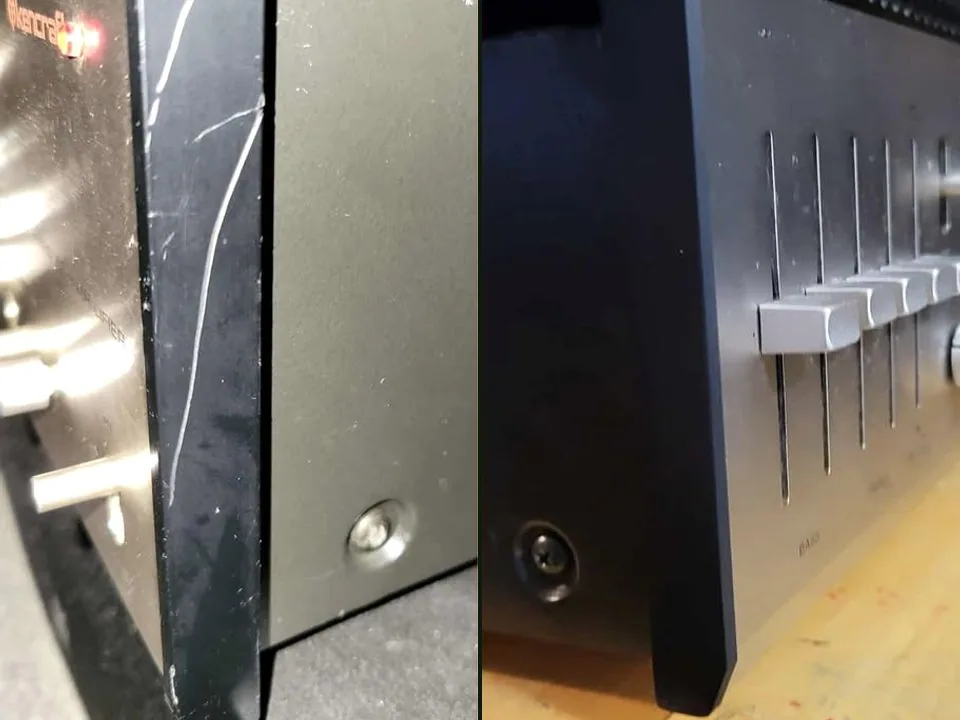
This is useful when…
This is useful when the original part is damaged, discontinued, or unavailable, but you still have enough of the part—or what it fits—to measure its important geometry.
What to send
- The original part, even if it is cracked or worn
- Photos from several angles with a ruler for scale
- The mating part, opening, or mounting points
- How the part is used and what failed
What to expect
- We look at your part or photos and check whether a suitable design already exists
- We give you an estimated cost and explain any design fees before you drop off a part or we start designing
- Once the design is ready, you approve the final price before we print a test piece or your replacement part
Kencraft preamp end-panel replacement
- What was needed
- The preamp’s cosmetic end panel was scratched and damaged, and a replacement was hard to find.
- What we made
- We recreated the panel’s shape and fit to give the preamp a clean finish.
Questions about Reverse engineering
Do you need the original part?
Usually. The make, model, year, part number, and photos are used first to check whether a usable model already exists. When one does not, the physical part normally needs to be dropped off in Winnipeg so it can be measured.
Can you copy a discontinued part exactly?
The goal is the fit and function the project needs. Wear, damage, hidden geometry, and material differences may make a practical replacement more appropriate than an exact copy.
Will the first print be the final part?
Simple parts may need only a fit check. Complex or worn references can require a small test section or prototype before the final print.
Start with what you have.
Photos, rough measurements, or a sketch can be enough for the first review.